Scaling a part is not just running the former longer. Volume changes touch tooling, material purchasing, trimming capacity, and quality control. Planning those transitions early prevents rework and delays.
Tooling that grows with volume
Prototype quantities run on wood or polyurethane tooling. As volume climbs, aluminum production tooling holds the tolerances and detail that keep parts consistent across thousands of cycles. Planning the tooling transition early prevents rework later.
Equipment capacity
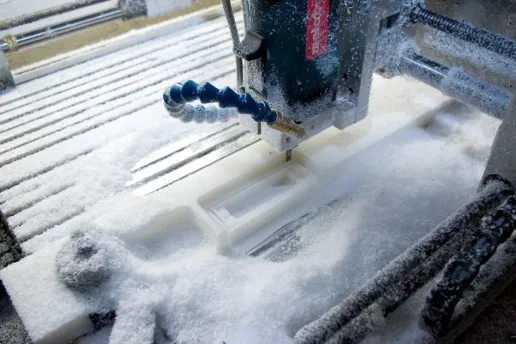
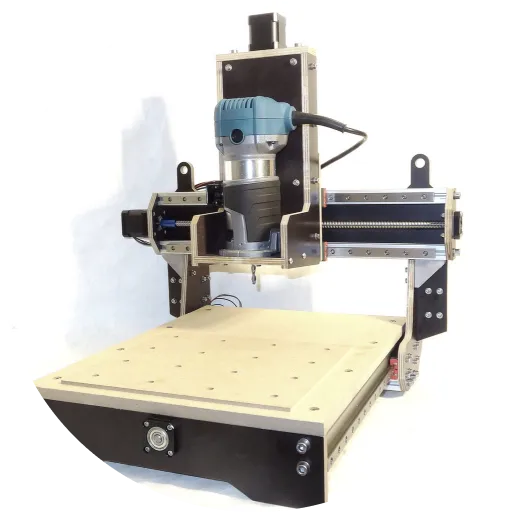
A supplier needs the machine capacity to flex when volume doubles. Hill Plastics operates single station thermoformers from 2x3 to 5x9 feet and a 4x7 rotary machine whose cycle time runs roughly 2.5x faster than a standard single station machine, with two 5x10 CNC trimming centers to keep up with formed output.
Quality at volume
The same part run 100 times and 10,000 times must meet the same print specification. A documented quality system that monitors every production stage is what keeps early run parts and late run parts interchangeable on your line.
Plan the jump early
Share your expected volume range up front. Hill Plastics scales from prototype and short runs into high volume production, so the engineering team can size tooling and capacity to the trajectory of your program rather than just the first order.
Ready to start?
Talk through your part with our engineering team
Share your drawings and we will recommend the process, material, and tooling approach that fits your project.