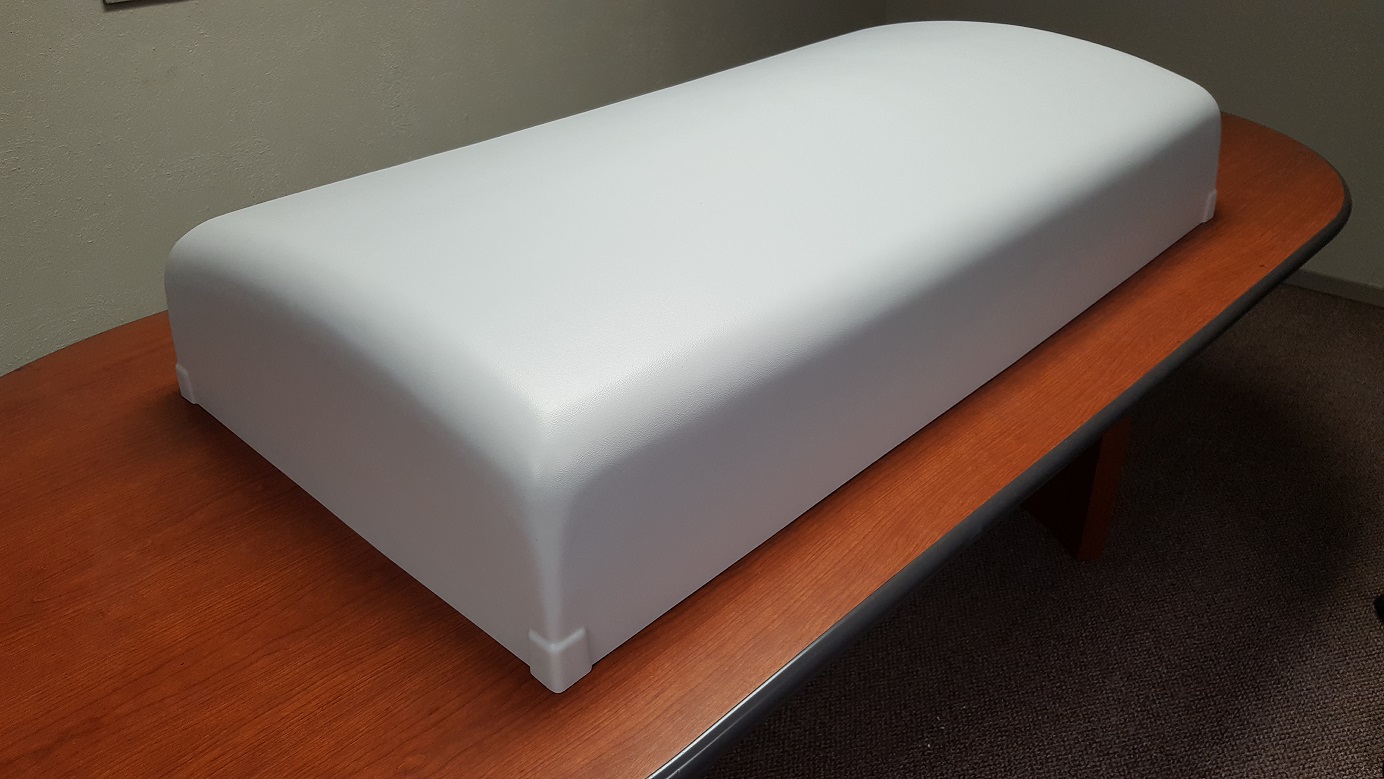
Thermoforming / Vacuum Forming
Cost effective forming for large and small production runs. Eight machines and a rotary line give us the capacity to move from prototype to high volume while keeping you on budget and on time.
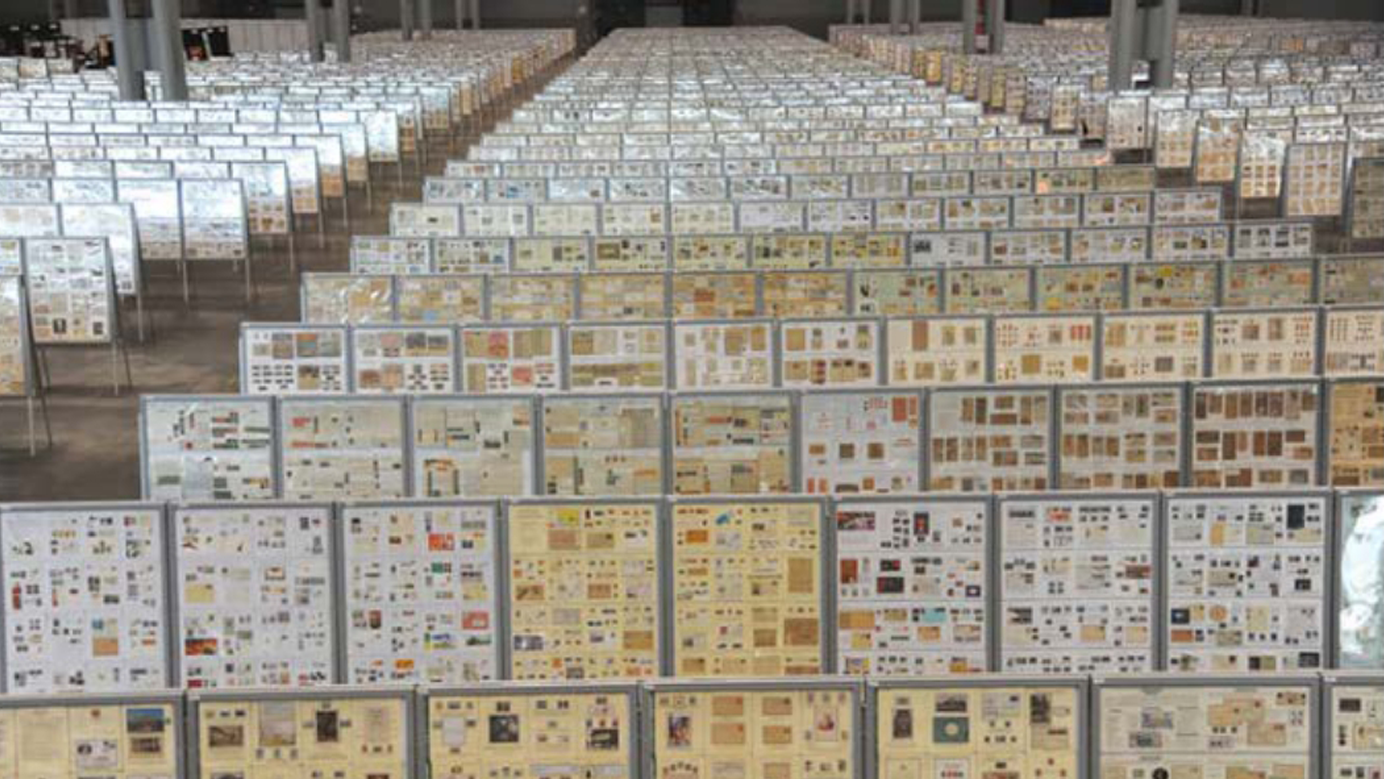
Eight thermoforming machines, one rotary line
Hill Plastics has eight thermoforming machines ranging in size from 2 x 3 feet to 5 x 9 feet. The latest addition to the line is a 4 x 7 foot rotary thermoforming machine built for high volume production.
Whether you need large or small production quantities, our thermoforming experience supports your project from design to fulfillment. Parts are trimmed to drawing specifications and details before they ship.
What our forming floor can do
Machine sizes, sheet capacity, and tooling options that let us run your part from prototype through production volume.
Capacities reflect the current Hill Plastics equipment list. Material availability depends on application and volume.
How we form your part
The process involves heating plastic sheets of material to a specific forming temperature. The material is then formed into the mold by vacuum, removing the air between the mold and the material. Parts are then trimmed to drawing specifications and details.
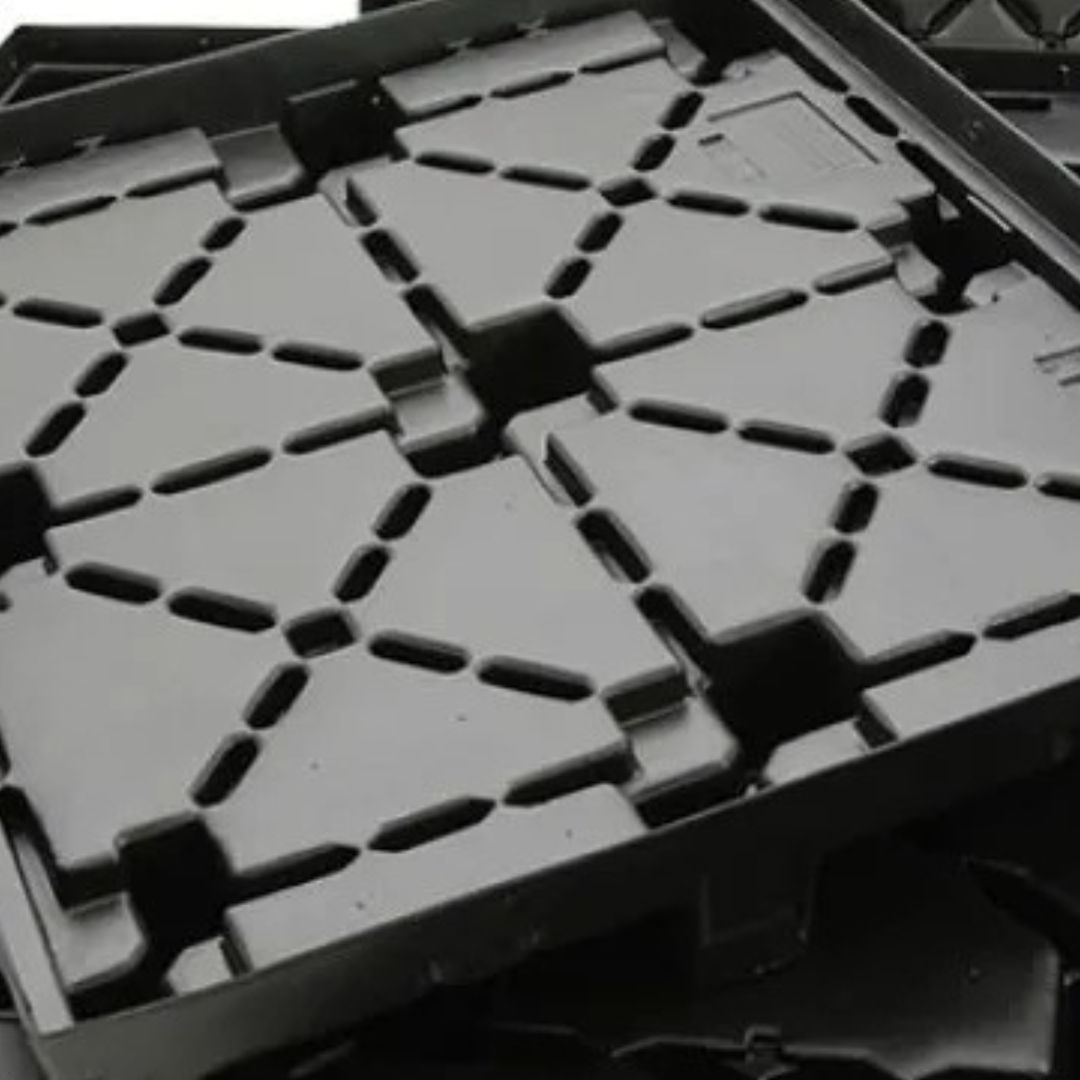
Vacuum Forming (Thermoforming)
A plastic sheet is heated to its forming temperature, then drawn onto the mold by vacuum, which removes the air between the mold and the material. Parts are then trimmed to drawing specifications and details.
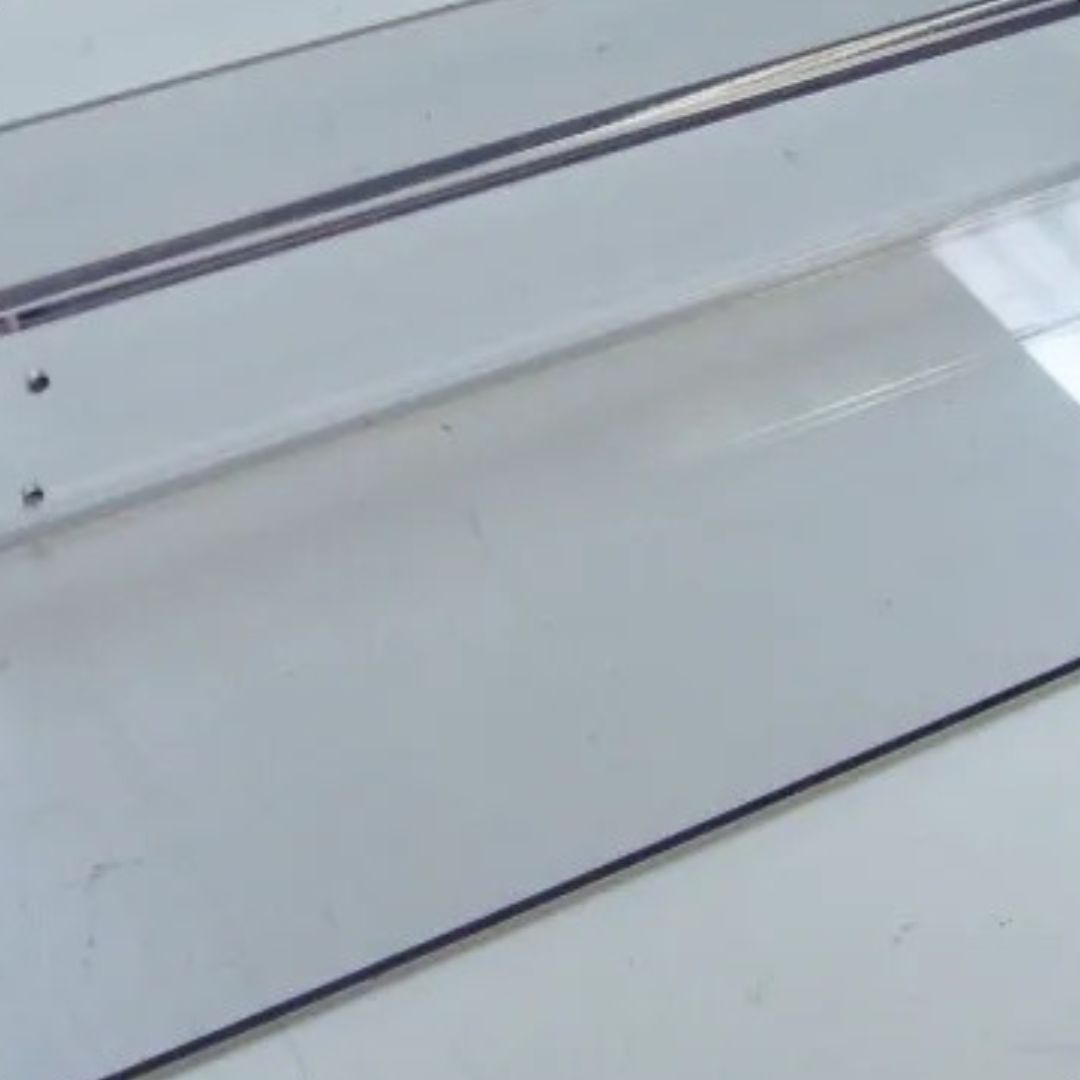
Sheet Bending (Heat Bending)
Sheet stock is heated along a bend line and formed to the required angle, producing clean, consistent bends for enclosures, guards, and fabricated components.
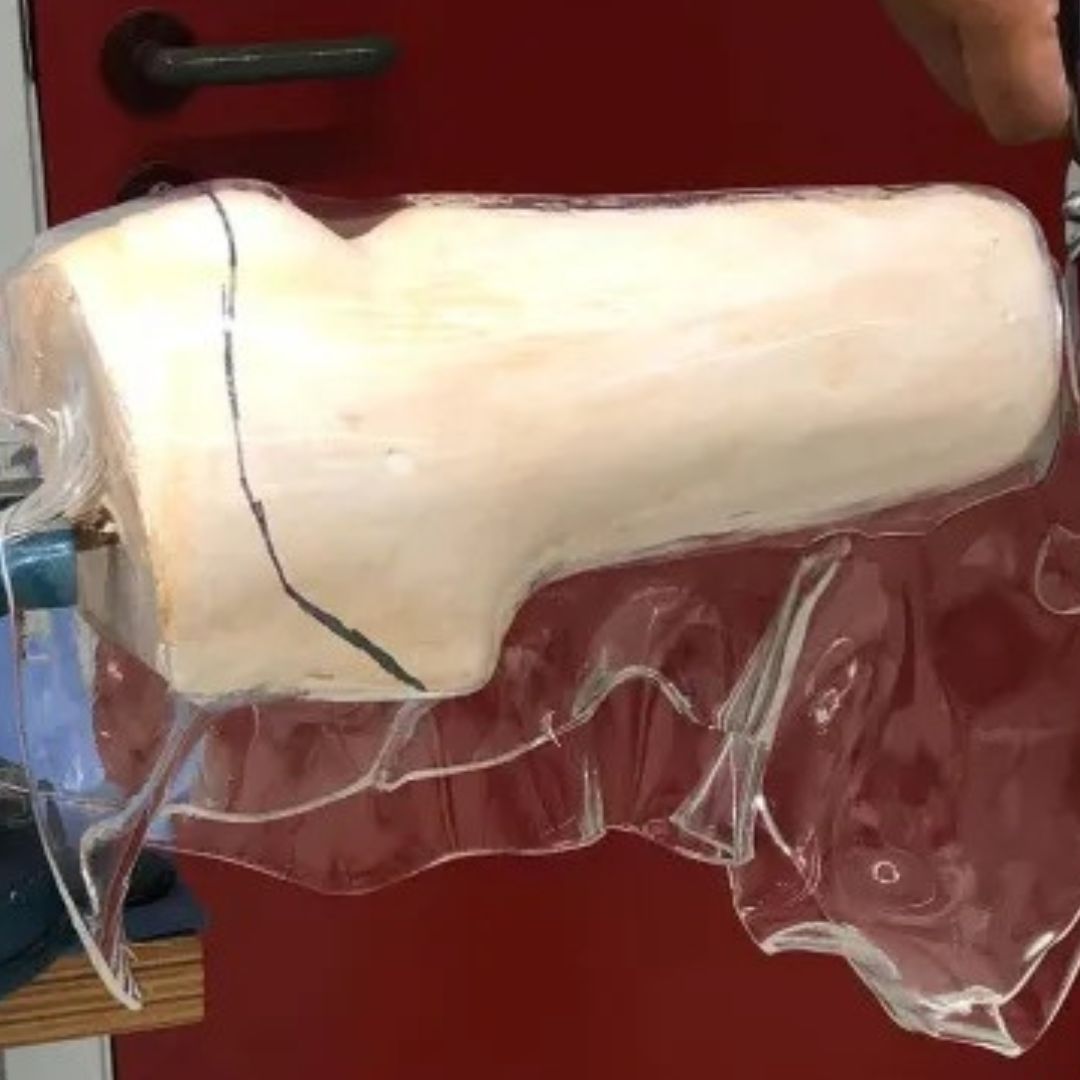
Drape Forming
A heated sheet is draped over a male or female mold so it conforms to the tool geometry, a straightforward way to form larger or gently contoured parts.
How a part gets formed
Thermoforming is a straightforward process, but every step is held to print. Here is how a sheet becomes a finished part.
Heat the sheet
Plastic sheet is brought to a specific forming temperature so it can take the mold geometry without losing material integrity.
Form by vacuum
The heated sheet is formed into the mold by vacuum, which removes the air between the mold and the material.
Cool and release
The formed part cools against the mold, holding its shape, then releases for the next operation.
Trim to print
Parts are trimmed to drawing specifications and details before they ship, holding the features your assembly needs.
Thermoplastics we form
Material selection depends on your application. We form a wide range of thermoplastic sheet stock, including the options below.

ABS (Acrylonitrile-Butadiene-Styrene)
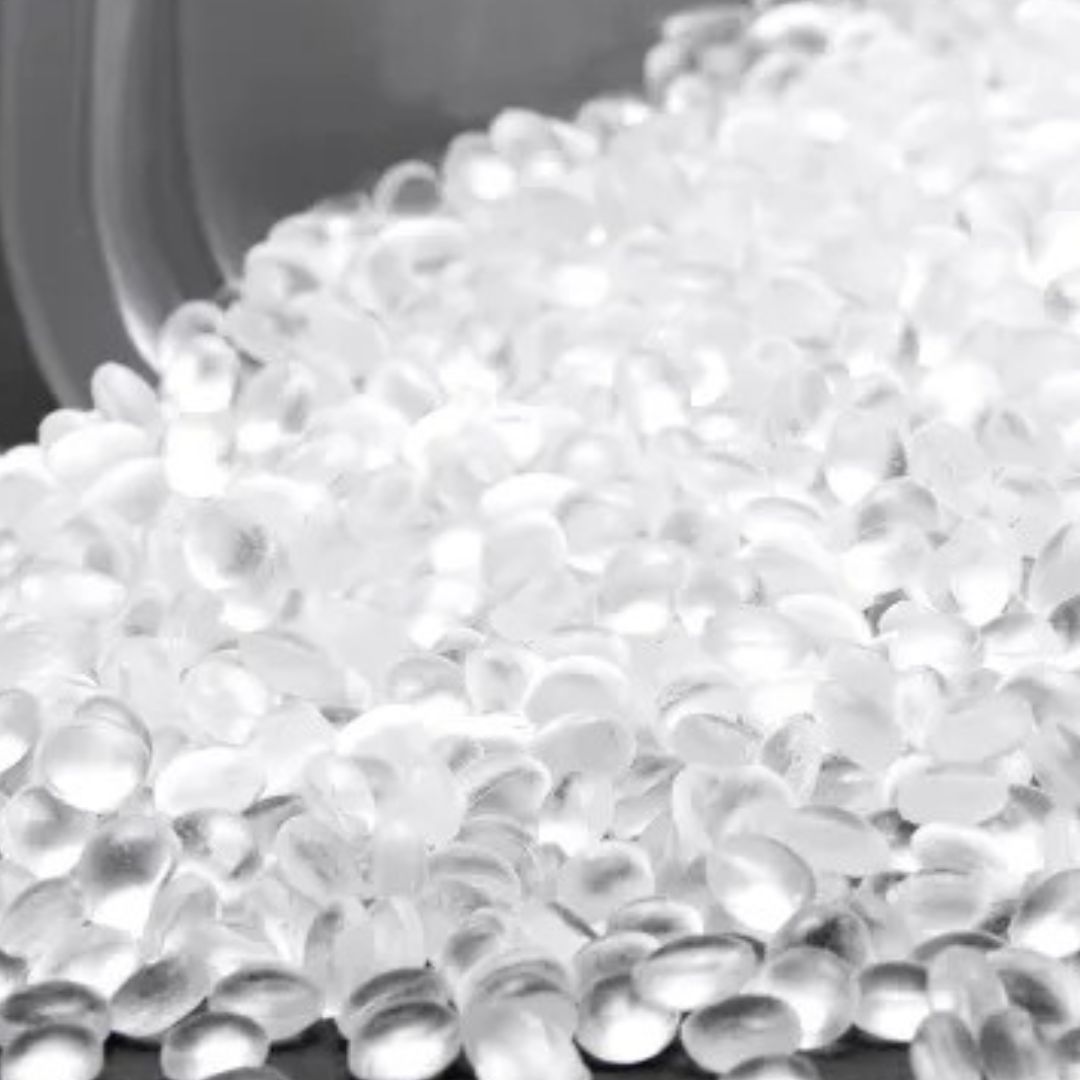
HDPE (High-Density Polyethylene)
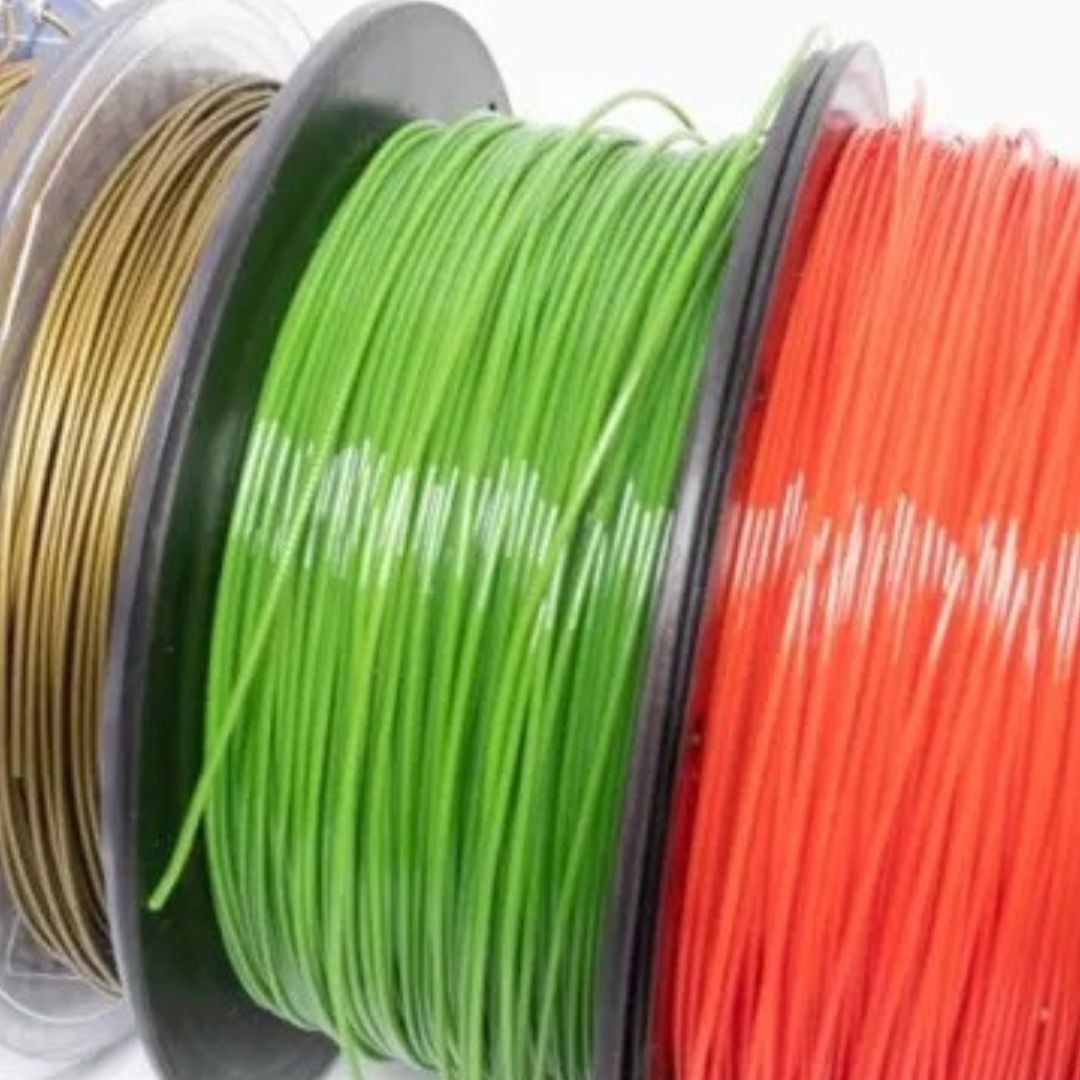
PETG (Polyethylene Terephthalate Glycol)
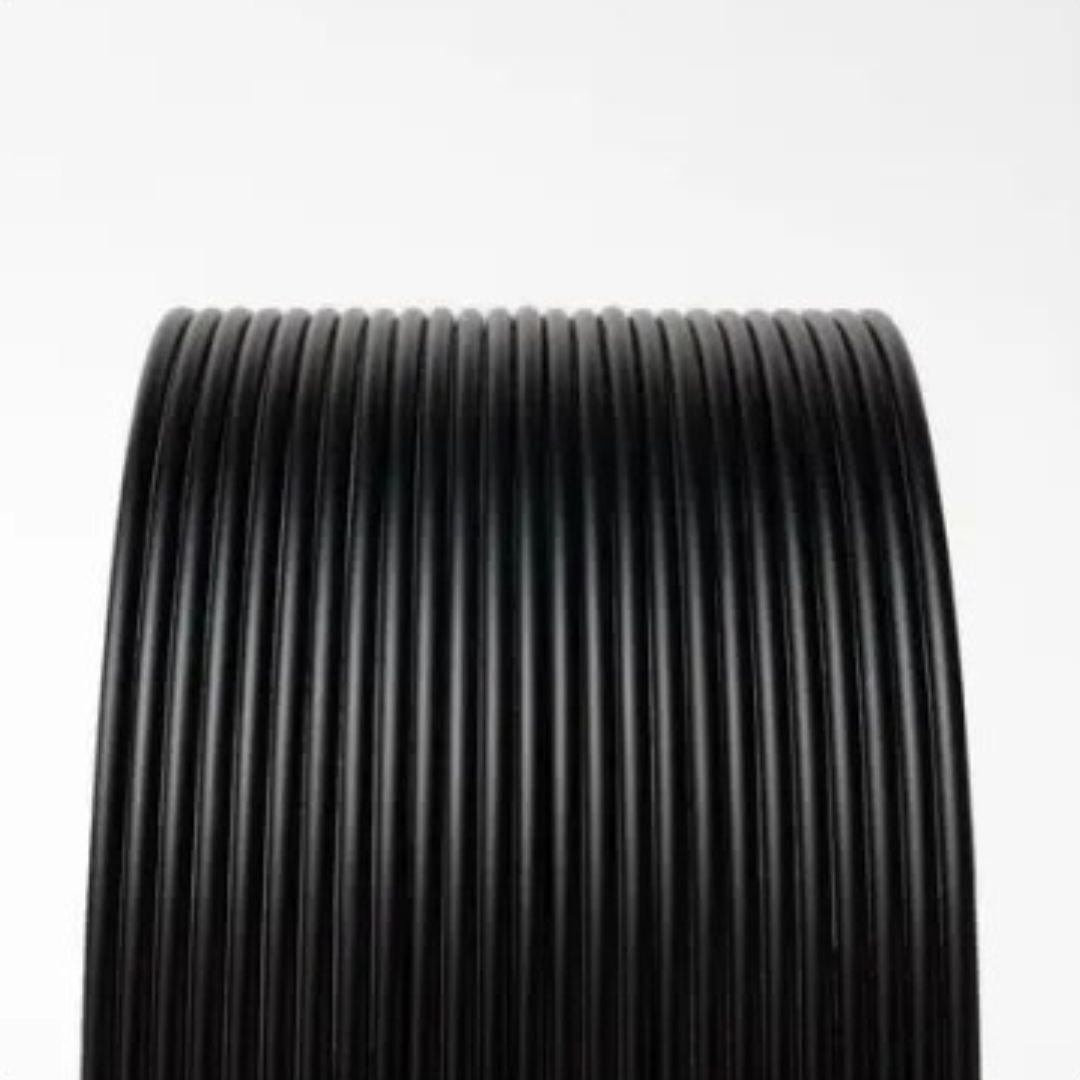
High Temperature ABS
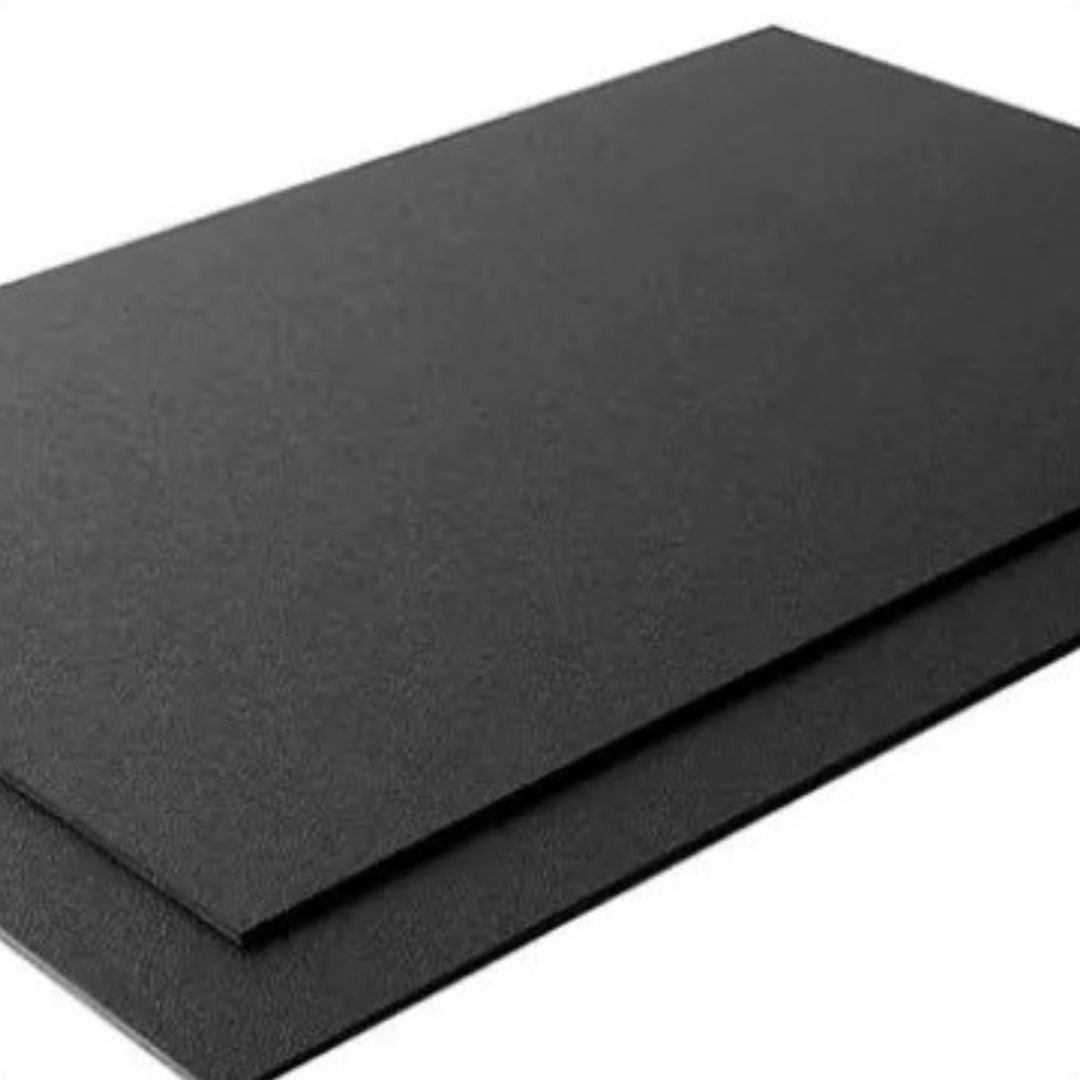
UV Resistant ASA/ABS
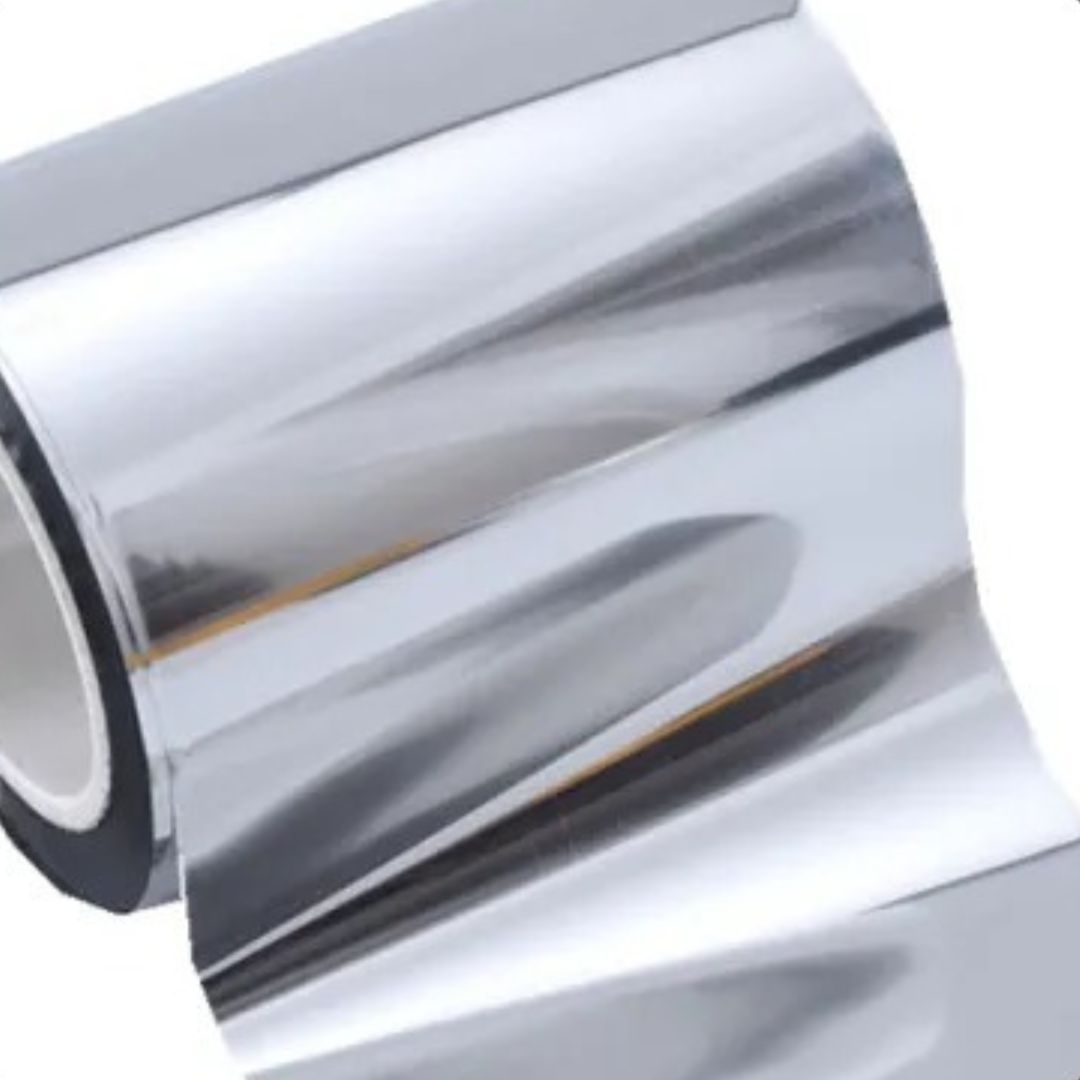
Decorative Foil Laminated
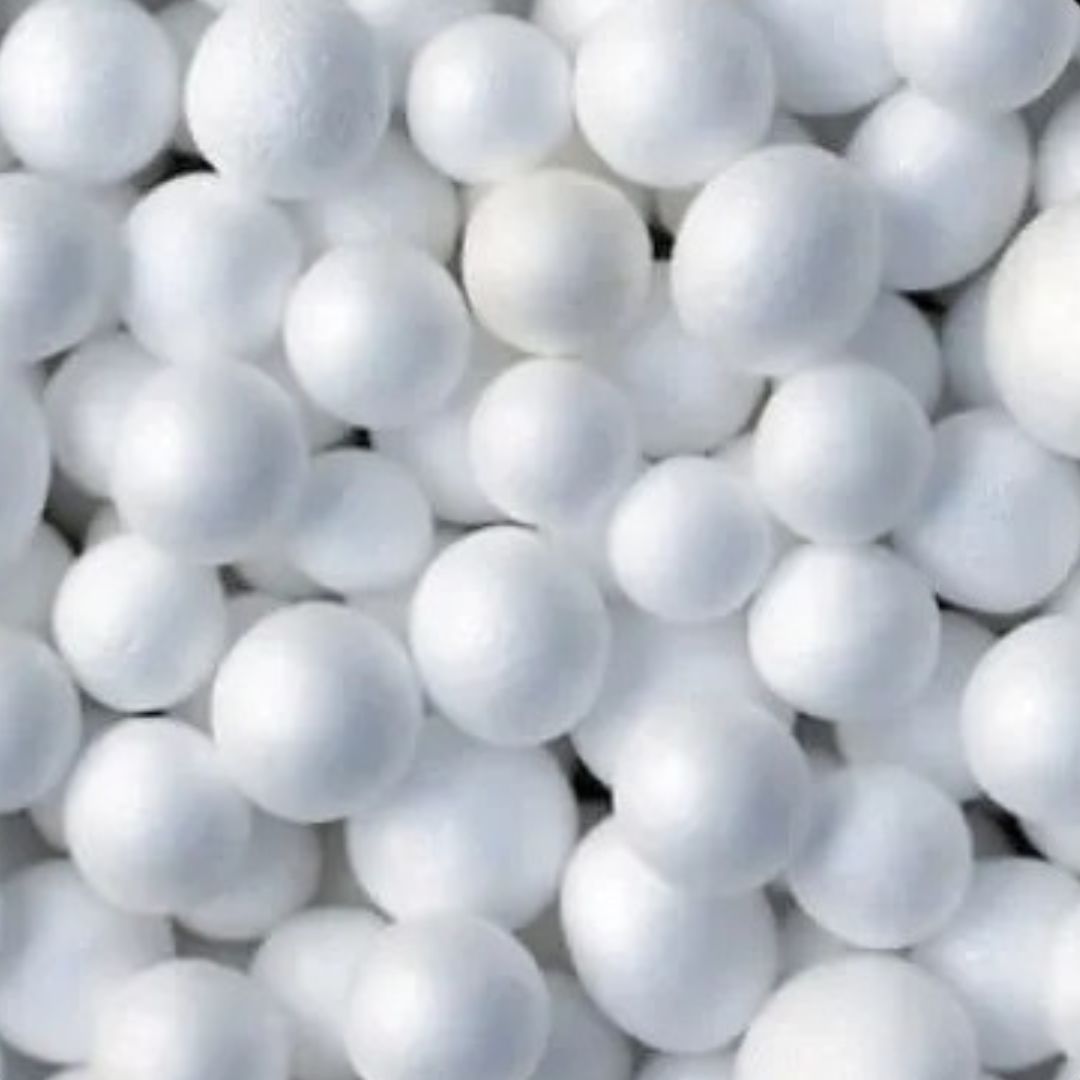
Polystyrene (PS)
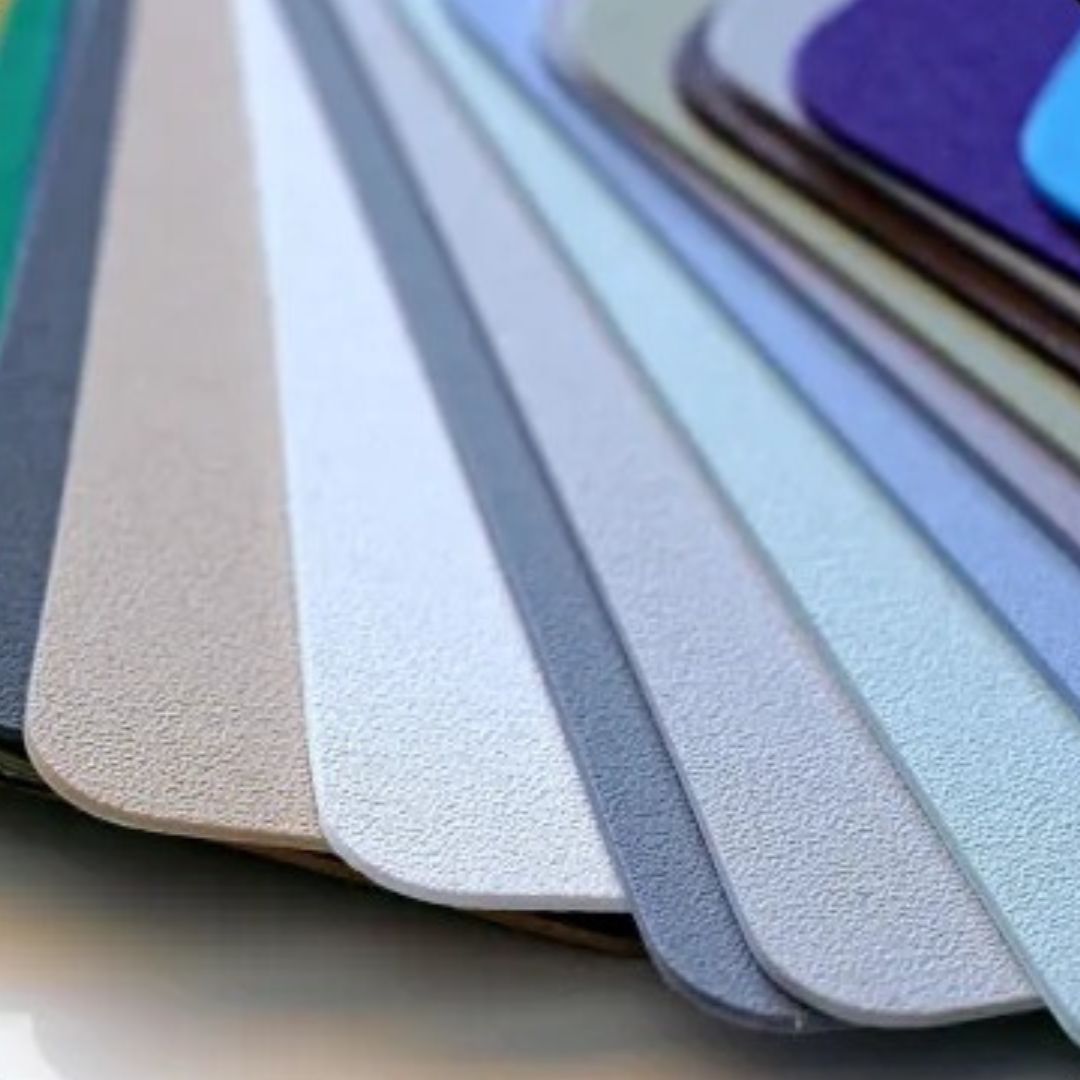
KYDEX
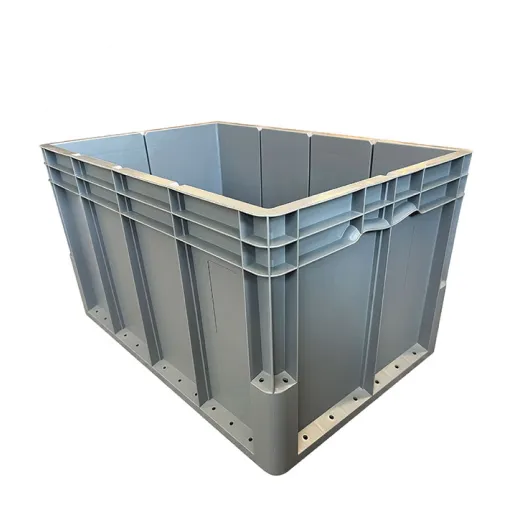
From a few parts to thousands, on the same floor.
Small parts are made cost effectively by mounting multiple molds on one base and forming many at once. Large parts use the full 5 x 9 sheet capacity.
Where thermoformed parts show up
Our plastic thermoforming solution is used across a wide range of products and industries.
Advantages of thermoformed plastic parts
Thermoforming keeps tooling and lead times low while holding cost in check across part sizes and volumes.
Low Cost Tooling
A master pattern is generally made of wood, CNC milled to print specifications. It serves as a mold to form prototypes and review fit and function. Changes are easily made to the wood pattern, then the master is used in the aluminum casting process to make the production mold.
Short Lead Times
For tooling and prototypes, a master pattern can generally be made in just a few weeks, depending on design complexity. Prototypes can soon follow once the pattern is mounted on a mold base.
Part Cost
Large molds and parts can be produced at a reasonable cost relative to size. Small parts are made cost effectively by mounting multiple molds on one base and forming many parts at once.
Have a part to form? Start with a conversation.
Send your drawings or describe your application. We will recommend the right material and tooling approach, then quote tooling, parts, and lead time.